Jetour Europe › News › Technology
Technology · Jetour Europe · June 4, 2026i-DM explained: a plug-in hybrid that works without the cable too
The most common worry about a plug-in hybrid is the cable — or more precisely, the fear of driving a compromised car without a wallbox. The i-DM solves that differently from many European PHEVs: the combustion engine is not a fallback, it is a full member of the drivetrain.
This article explains how the system works and collects the numbers that matter day to day: charging times on a wallbox and a rapid charger, electric range, and consumption once the battery is empty.
How i-DM works
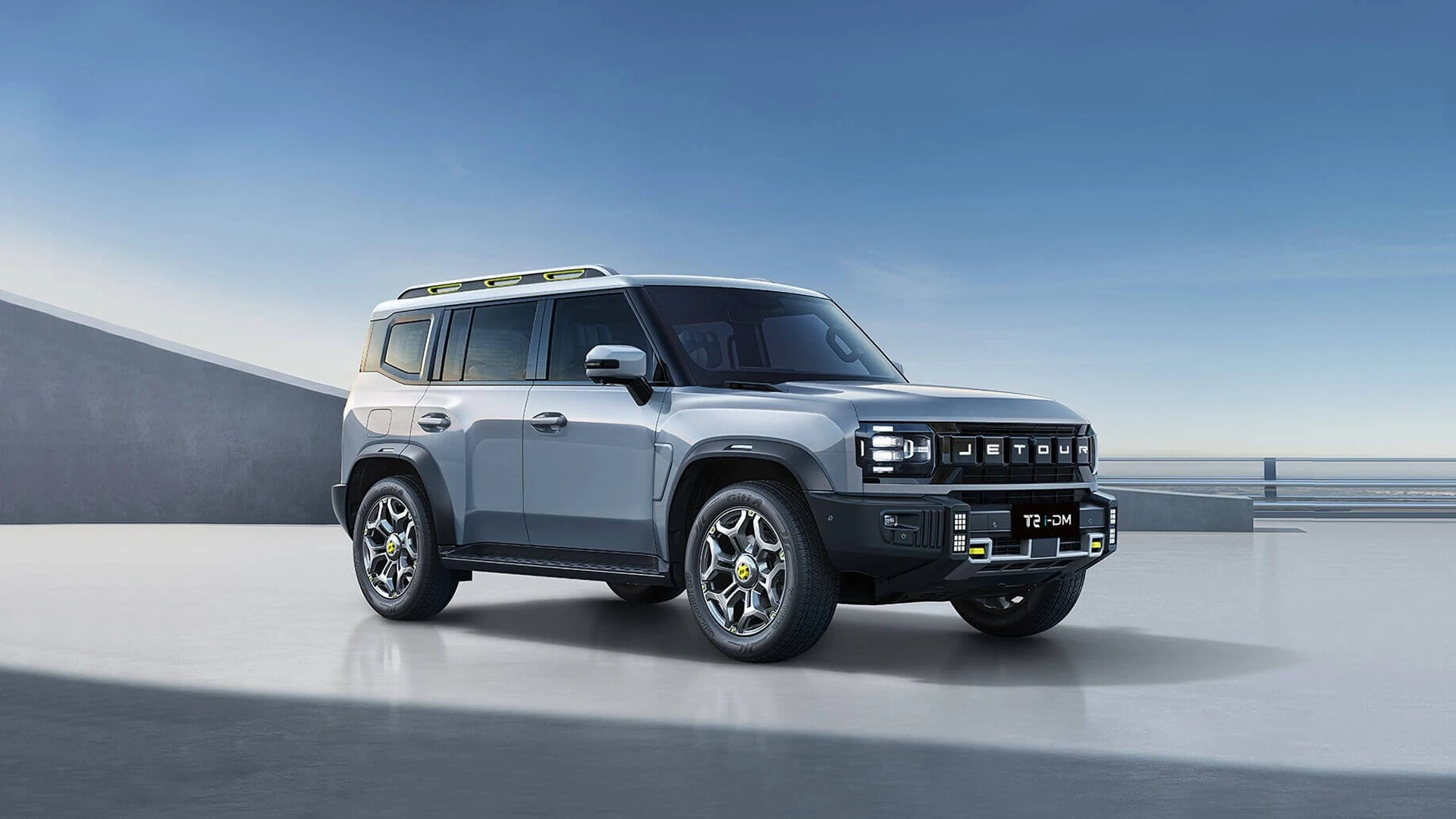
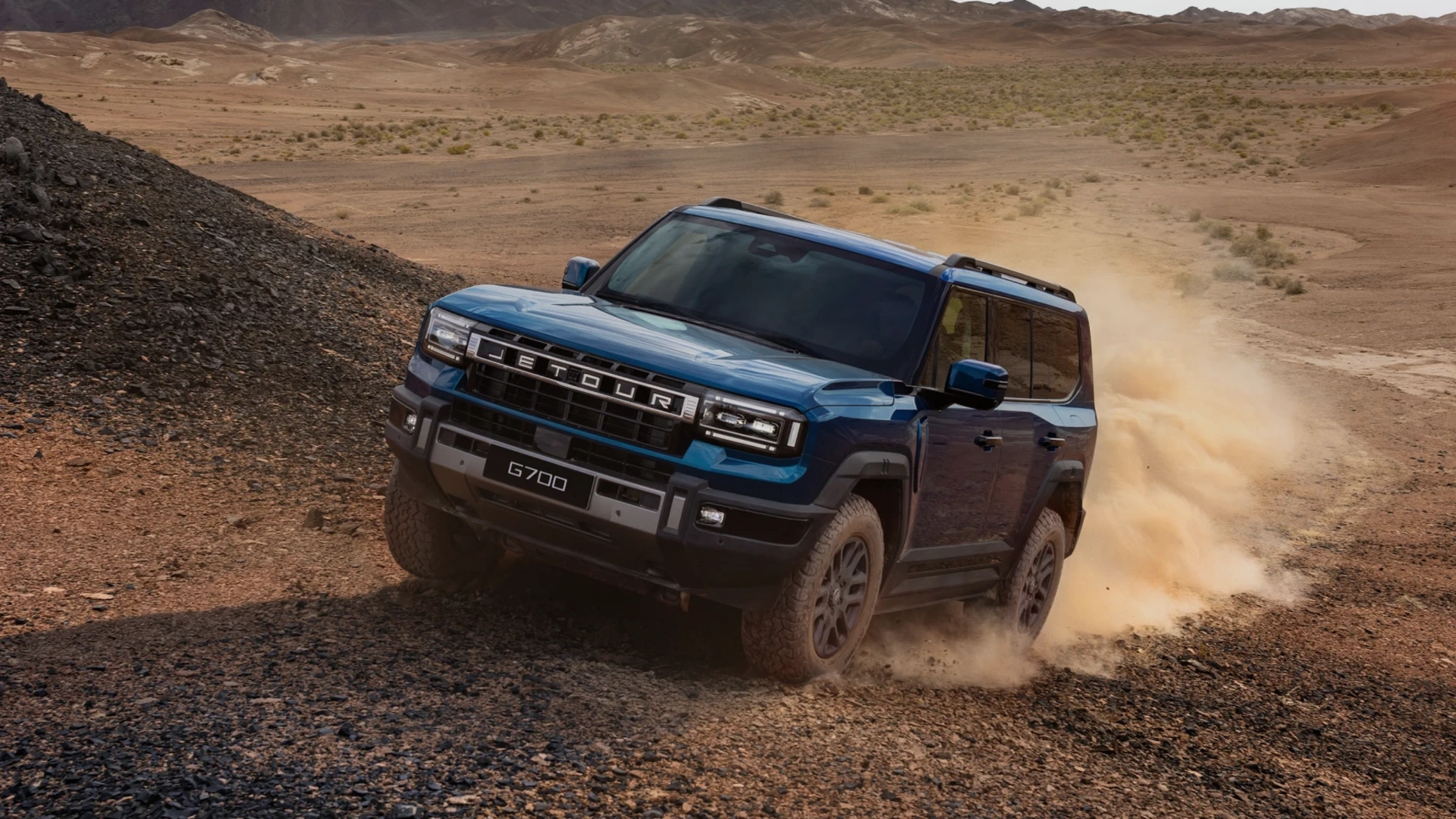
In the T2 a 1.5-litre turbo petrol engine (115 kW, 220 Nm) works with two or three electric motors and a dedicated hybrid transmission (3DHT). The G700 uses the same principle with a 2.0-litre turbo (211 hp, 340 Nm), two electric motors and a 2DHT.
The control unit picks between three modes: pure electric in town and on short trips, series, where the petrol engine generates electricity without driving the wheels, and parallel, where at higher speeds it drives them directly. That third mode is what simpler hybrid layouts lack — and the reason motorway consumption does not fall apart.
The practical consequence: you can charge, but you do not have to. Never see a socket and you are driving an efficient full hybrid with a big tank. Charge every day and most journeys run on electricity, with fuel reserved for holidays.
Charging, range and consumption
| T2 i-DM 2x2 | T2 i-DM 4x4 | G700 | |
|---|---|---|---|
| Battery | 26.7 kWh | 43.24 kWh | 34.13 kWh (LiFePO₄, CATL) |
| Electric range | 139 km (NEDC) | 160 km (WLTC) | 100–150 km |
| Combined range | over 1,000 km | over 1,000 km | 1,000–1,400 km |
| DC rapid charging 30–80 % | approx. 30 min | approx. 37 min | approx. 10 min (800 V platform, 170 kW) |
| AC charging 30–100 % | under 4 h | under 6 h | approx. 5 h |
| Fuel tank | 70 l | 70 l | 100 l |
| Consumption with empty battery | 5.4 l/100 km (NEDC) | 5.4 l/100 km (NEDC) | 8.8 l/100 km |
| Combined consumption | 0.8 l/100 km (NEDC) | 0.8 l/100 km (NEDC) | 1.39 l/100 km (WLTC) |
Figures per the manufacturer data sheet. Combined consumption figures for plug-in hybrids are measured with a partly charged battery and are not everyday values — the “empty battery” row is the more honest number to budget with. NEDC and WLTC figures are not comparable with each other.
What this means for your driving
The car stays usable and economical: with an empty battery the T2 sits at 5.4 l/100 km on the NEDC cycle. Occasional charging at public points is enough to run electrically around town.
The battery fills overnight — under four hours on the 2x2, under six on the 4x4. Drive less than 100 km a day and you will effectively only buy fuel before a trip.
The G700 charges at up to 170 kW on a DC point and covers 30–80 % in about ten minutes, less than a coffee stop. And with a 100-litre tank, 1,000 to 1,400 km without a charging stop is possible anyway.
Frequently asked questions
Do I have to charge the Jetour T2?
No. The drivetrain works fully with an empty battery — the petrol engine then drives the car through the hybrid transmission. Charging only lowers consumption and cost on short trips.
How long does rapid charging take?
From 30 to 80 %, roughly 30 minutes on the T2 2x2, about 37 minutes on the 4x4, and around 10 minutes on the G700 thanks to its 800-volt platform.
What is the consumption with an empty battery?
The manufacturer quotes 5.4 l/100 km NEDC for the T2 and 8.8 l/100 km for the G700. The low combined figures (0.8 and 1.39 l/100 km) are measured with a charged battery and are not everyday numbers.
Experience Jetour
Configure your Jetour online or talk to us — advice and a test drive.
All figures per the manufacturer data sheet and correct at the date of publication. Prices are gross for Europe; equipment, consumption figures and timings may change. Editorial status of this article: August 9, 2026.